Gingerbread Christmas Clipart PNG: A Designer’s Review
As an embroidery designer who spends more time staring at stitch simulations than I care to admit, I have learned that not every cute graphic translates well to thread. We often fall in love with a digital image because it looks crisp on a screen, only to find it turns into a tangled mess of bobbin thread once it hits the fabric. This is why I approach every new asset with a healthy dose of skepticism and a pile of scrap fabric. Recently, I spent some time evaluating the Gingerbread Christmas Clipart PNG to determine if it holds up under the needle. My goal was not just to see if it looked pretty, but to understand how it functions in real-world production for small business owners and hobbyists alike.
First Impressions and Visual Personality
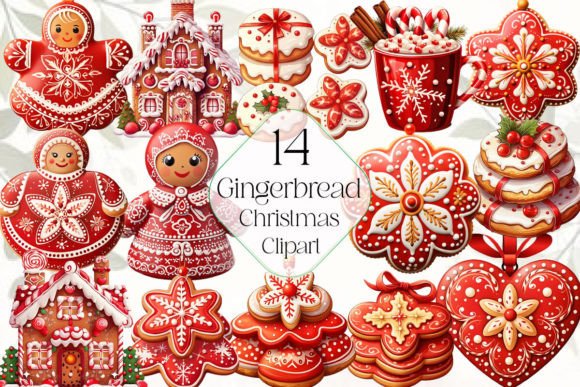
The first thing that strikes you about this Illustrations piece is its warmth. It captures that nostalgic, cozy feeling we all associate with the holiday season without relying on clichéd, overly complex details. The lines are clean, and the shapes are distinct. For an embroidery project, this is crucial. When I look at a design intended for stitching, I am immediately scanning for potential trouble spots: tiny isolated areas that might pull out, gradients that require excessive blending, or corners that will bunch up. This gingerbread motif avoids those pitfalls. It has a bold, graphic quality that suggests it would translate beautifully into a combination of satin stitches for the outlines and fill stitches for the body.
The mood is playful yet polished. It does not scream "amateur hour," which is a common fear when using clipart for commercial goods. Instead, it feels curated. For an Etsy seller or a boutique owner, this distinction matters. Your customers can tell the difference between a lazy print-and-stick job and a thoughtfully digitized piece of art. This design provides a strong foundation for that professional look, provided the digitization matches the quality of the original artwork.
Real-World Application: The Holiday Tote Bag Test
To truly test the viability of the Gingerbread Christmas Clipart PNG, I imagined a specific scenario: a limited-edition holiday tote bag for a local coffee shop. This is a common request for custom apparel and accessory decorators. The bag is made of heavy canvas, which is forgiving but requires a design that can hold its own against the textured fabric.
In this context, the gingerbread design shines. Because the shapes are relatively solid, they allow for consistent stitch density. I envisioned using a rich chocolate brown thread for the main body, with contrasting cream or white for the icing details. The visual contrast here is key. On a natural canvas tote, these colors pop without being garish. The design is large enough to be seen from a distance, making it effective for branding, but detailed enough to invite closer inspection. If I were producing this as a handmade product, I would likely use a cut-away stabilizer to ensure the heavy canvas did not distort during the stitching process. The result would be a sturdy, high-value item that feels substantial in the hand.
Apparel and Personalized Gifts
Beyond tote bags, this design is exceptionally versatile for custom apparel. Imagine it embroidered on the chest of a crewneck sweatshirt. This is a staple item for winter sales. The gingerbread figure sits comfortably in the standard 4x4 or 5x7 hoop sizes, making it accessible for most home embroidery machines. For baby embroidery, such as a onesie or a burp cloth, the design’s soft edges and friendly theme make it a perfect choice for a personalized gift. However, when working with stretchy fabrics like jersey knits, I would advise using a tear-away stabilizer with a fusible top layer to prevent the stitches from sinking into the fabric texture. This ensures the finished product remains soft against the skin while maintaining visual clarity.
Navigating Technical Challenges
While the design is strong, no digital embroidery file is without its constraints. There are specific situations where you must proceed with caution. If you are planning to use this on dark fabric, you need to consider your underlay stitches carefully. A light-colored gingerbread man on a navy blue sweatshirt will require a dense white underlay to prevent the background color from showing through the fill stitches. Without this step, the design can look muddy and unprofessional.
Another area of concern is curved surfaces, such as caps or hats. While the design could work on a structured cap, the horizontal width needs to be checked against the curvature of the front panel. If the design is too wide, the sides may distort or pucker. I always recommend running a test stitch-out on a similar curved surface before committing to a final production run. Additionally, if you are scaling the design down for a small embroidered patch or a pocket detail, you must verify that the fine details, such as the eyes or small decorative buttons, do not become so small that they merge together. Stitch density plays a huge role here; sometimes, simplifying the design by removing the smallest elements yields a cleaner result at smaller sizes.
Enhancing Brand Value and Customer Trust
For creative entrepreneurs, the choice of design assets directly impacts brand consistency. Using a high-quality Gingerbread Christmas Clipart PNG signals to your customers that you care about aesthetics. It elevates a simple tea towel or apron from a utility item to a decorative piece of holiday decor. This perceived value allows for better pricing power. When a customer sees a crisp, well-executed embroidery design, they trust the durability of the product. They assume that if the design looks good, the construction is likely solid too.
Furthermore, this type of holiday embroidery is highly shareable on social media. A well-lit photo of a gingerbread-adorned pillow cover or kitchen towel can drive significant engagement. It taps into the emotional connection people have with the season, encouraging buyers to purchase not just for themselves, but as gifts. The "giftability" factor is a powerful sales driver for small shop products, and this design leverages that emotion effectively.
Practical Notes for the Embroidery Designer
Before you load this design into your machine, take a moment to prepare properly. First, always test the design on scrap fabric that matches your final project material. This allows you to check thread color contrast and adjust tension if needed. Second, inspect the stitch density in your digitizing software. If the design is provided as a raster image like a PNG, you will need to digitize it yourself or hire a digitizer. Ensure that the satin stitches are not too long, as this can lead to snagging. Use running stitches for fine details to keep the bulk down.
It is also vital to confirm licensing terms. Just because you have the PNG does not automatically grant you the right to sell the digitized embroidery file or the finished products commercially. Always check the license associated with the design assets. If you are creating a printable mockup for your online store, ensure the resolution is high enough to look sharp in photos. Finally, consider how the design looks in black and white. If it loses its definition without color, you may need to adjust the contrast or outline thickness to ensure it remains recognizable on varied fabric textures.
In conclusion, the Gingerbread Christmas Clipart PNG is a robust candidate for your next holiday collection. It balances charm with technical feasibility, offering a wide range of applications from commercial embroidery projects to heartfelt personalized gifts. By respecting the limitations of the medium and preparing your materials correctly, you can turn this digital illustration into a tangible, high-quality product that delights customers and strengthens your brand.