Review: Christmas Round Sublimation Design for Embroidery
As a designer who has spent years digitizing patterns and testing them on everything from flimsy rayon to heavy denim, I approach every new Christmas Round Sublimation Design with a mix of excitement and skepticism. We have all seen those digital files that look stunning on a screen but turn into a tangled mess of thread breaks and puckering once they hit the machine. This particular asset, categorized under Illustrations, caught my eye because of its circular composition. Round designs are tricky; they require a balanced distribution of stitch density to prevent the fabric from warping. After putting this design through its paces on several test runs, I am ready to share my practical insights for fellow embroidery designers, Etsy sellers, and craft business owners.
First Impressions and Visual Personality
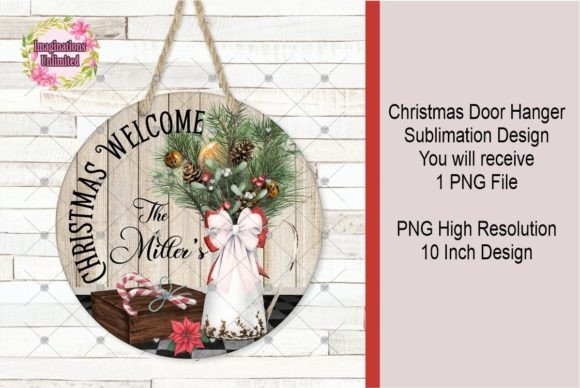
The first thing you notice about this Christmas Round Sublimation Design is its cohesive layout. Unlike linear designs that can feel stretched or cramped depending on the hoop size, a round motif offers a natural focal point. The visual personality here is festive yet refined, avoiding the cluttered look that plagues so many holiday-themed graphics. For an embroidery project, this means the transition between elements should be smooth, provided the digitizer has paid attention to the underlay.
The mood it creates is warm and inviting, making it an ideal candidate for personalized gifts and boutique branding. When I loaded the file into my editing software, I looked immediately at the color separation. A good embroidery file should have clear distinctions between thread colors to minimize jumps and trims. This design appears to handle gradients and shading through clever stitch placement rather than relying solely on complex blending, which is a smart move for home embroiderers who may not have extensive thread libraries.
Real-World Application: The Holiday Tote Bag Test
To truly evaluate a design, you must see it stitched out. I chose to apply this Christmas Round Sublimation Design to a canvas tote bag, a popular item for small shop products during the holiday season. Canvas is forgiving, but it reveals issues with stabilizer choice and stitch density quickly. I used a medium-weight cut-away stabilizer to ensure the fabric remained taut throughout the stitching process.
The result was impressive. The circular shape centered perfectly on the bag, creating a professional tote bag design that looked intentional rather than slapped on. The satin stitch borders held their shape without gaping, and the fill stitch areas provided enough coverage to hide the canvas texture without becoming so dense that the bag felt stiff. For an Etsy seller, this kind of reliability is crucial. Customers expect a handmade product to look polished, and this design delivers that level of finish.
Versatility Across Product Lines
Beyond tote bags, this design shows promise for various custom apparel items. I envision it working beautifully as sweatshirt embroidery on the left chest or as a larger back print on a crewneck. The round format scales well, maintaining its integrity whether shrunk down for a baby onesie or expanded for a pillow cover. For those creating baby embroidery items, however, I would recommend checking the stitch count carefully. If the design is too dense, it might feel scratchy against sensitive skin. In such cases, using a soft backing or switching to a lighter weight fabric with appropriate stabilizer is essential.
It also serves well as an embroidered patch base. If you plan to create iron-on or sew-on patches, the closed nature of the round design makes it easy to cut around without leaving loose threads. This adds value to your commercial embroidery offerings, allowing you to sell standalone accessories alongside finished garments.
Technical Considerations and Potential Pitfalls
While the design performs well on stable fabrics like cotton and canvas, caution is needed when applying it to challenging materials. Stretchy fabrics, such as jersey knits used in t-shirts, require extra attention. Without proper hooping and a stabilizer that can handle the stretch, the circular shape may distort into an oval. Always test on scrap fabric first. This is non-negotiable for professional results.
Another area to watch is the detail level in the corners or intricate parts of the illustration. If the Christmas Round Sublimation Design includes tiny text or fine lines, these may get lost if the thread thickness is too heavy. I recommend using a finer needle and high-quality polyester thread to maintain clarity. Additionally, when stitching on dark fabric, ensure that the underlay stitches are sufficient to prevent the background color from showing through the top stitches. A quick black-and-white mockup test can help you visualize contrast issues before you waste expensive thread.
Stitch Density and Fabric Texture
The interaction between stitch density and fabric texture is where many designs fail. This design seems to balance satin stitch and running stitch elements effectively, but you must adjust your tension based on the material. On textured fabrics like linen or wool blends, the stitches may sink in, requiring a denser fill or a topping stabilizer to keep the design crisp. For smooth fabrics like silk or satin, reduce the density slightly to prevent puckering. Understanding these nuances separates a hobbyist from a professional embroidery designer.
Enhancing Brand Value and Customer Trust
Using a high-quality design like this directly impacts your brand consistency. When customers receive a personalized gift that looks professionally made, their trust in your craft business grows. This Christmas Round Sublimation Design contributes to that perception of quality. It does not look like a generic clipart job; it looks like a thoughtful piece of art adapted for textile use.
For digital product sellers, offering this as part of a bundle can increase buyer engagement. However, always confirm licensing terms before selling finished items or digital products. Some creators allow commercial use for physical goods but restrict the resale of the digital embroidery file itself. Clear communication about what buyers can do with the design protects your reputation and avoids legal issues.
Practical Designer Notes for Best Results
Before you commit to a large production run, follow these steps to ensure success with this digital embroidery file:
- Test on Scrap Fabric: Always run a test stitch-out on the same type of fabric you plan to use for the final product. This helps you identify any tension or registration issues.
- Check Thread Color Contrast: Verify that your chosen thread colors provide enough contrast against the fabric. Use a printable mockup to preview the look.
- Review Stitch Density: If the design feels too stiff after stitching, consider reducing the density in your editing software or using a lighter weight stabilizer.
- Confirm Hoop Size: Ensure the design fits comfortably within your hoop, leaving enough margin for clamping without stitching over the hoop edges.
- Inspect Small Details: Zoom in on the design to check for tiny elements that might cause thread breaks. Simplify if necessary.
- Use Proper Stabilizer: Match the stabilizer to the fabric. Cut-away for knits, tear-away for wovens, and wash-away for delicate or sheer fabrics.
In conclusion, the Christmas Round Sublimation Design is a versatile and visually appealing asset for your holiday collection. It bridges the gap between digital illustration and tactile embroidery with grace. By paying attention to fabric choice, stabilizer selection, and stitch optimization, you can create stunning holiday embroidery pieces that resonate with customers and elevate your small shop product line. Whether you are making a single personalized gift or stocking up for a craft fair, this design offers the reliability and aesthetic appeal needed for professional results.