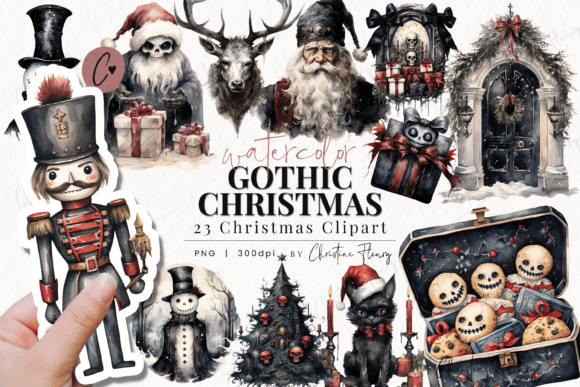
Watercolor Gothic Christmas Clipart for Blog Illustrations
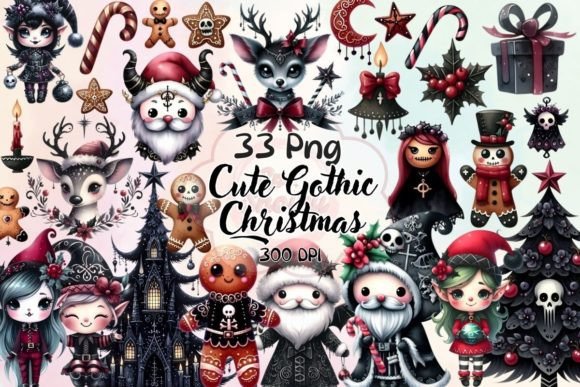
As a digital publisher who has spent years refining the visual identity of high-traffic blogs, I approach every new graphic design asset with a critical eye. It is not enough for an image to be pretty; it must perform. When I first opened the files for Watercolor Gothic Christmas Clipart, my immediate reaction was one of intrigue regarding its editorial potential. This is not your standard, cheerful holiday imagery. Instead, it offers a moody, sophisticated aesthetic that bridges the gap between traditional seasonal warmth and a darker, more artistic narrative.
The first impression this collection creates is undeniably atmospheric. The watercolor technique provides soft, organic edges, while the gothic elements introduce a sense of mystery and depth. For content creators in niches like dark academia, alternative lifestyle, horror literature, or even high-end home decor, this mood is invaluable. It signals to the reader that the content they are about to consume is thoughtful, curated, and perhaps a bit unconventional. In a sea of bright reds and greens, this asset allows a website to stand out by embracing a more dramatic visual language.
Elevating Editorial Design and Web Presence
In the context of editorial design, consistency is key to building reader trust. Watercolor Gothic Christmas Clipart excels when used to establish a strong brand identity during the holiday season. Imagine using these illustrations as hero images for blog posts discussing winter solstice traditions, gothic architecture, or seasonal book reviews. The visual hierarchy becomes immediately clear; the artwork draws the eye without overpowering the headline, creating a balanced composition that encourages clicking.
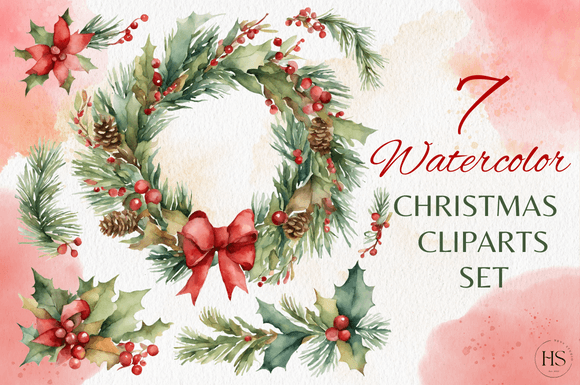
For web design specifically, these assets are versatile enough to serve as category thumbnails or section dividers. Because the style is inherently artistic, it elevates the perceived value of the entire site. A website header featuring a subtle gothic wreath or a moody winter landscape can transform a standard layout into something that feels like a digital magazine. This level of polish is crucial for retaining visitors who expect professional-grade content.
Strategic Applications for Content Marketing
The true test of any digital download is its utility across various marketing channels. Here is how I would deploy this collection in a real-world publishing workflow:
- Pinterest Graphics: This is arguably the strongest use case. Pinterest thrives on vertical, visually striking imagery. The high contrast and unique style of these illustrations make for excellent Pinterest pin designs that stop the scroll. They naturally support click-throughs for affiliate content related to holiday decor, books, or fashion.
- Social Media Graphics: For Instagram stories or Facebook posts, these elements can be layered over solid backgrounds to create cohesive social media graphics. They work particularly well for announcing sales, sharing quotes, or promoting new blog entries.
- Newsletter Headers: Email marketing requires visuals that load quickly but still convey a message. Using a single, powerful illustration from this set as a newsletter header can set the tone for the entire campaign, increasing open rates through recognizable branding.
- Digital Products: If you create digital guides, eBooks, or worksheets, these clips can be used as decorative borders or chapter headers. They add a layer of production value that justifies a higher price point for your digital product offerings.
Performance and Visual Hierarchy
From a performance standpoint, the goal is to improve content marketing metrics. Stronger first impressions lead to lower bounce rates. When a user lands on a page featuring Watercolor Gothic Christmas Clipart, the unique aesthetic suggests that the article itself is unique. This psychological cue supports better engagement. Furthermore, using these assets consistently across blog graphics helps with category recognition. Regular readers will instantly associate this specific gothic-watercolor style with your brand, fostering loyalty.
However, placement matters. These illustrations work best as focal points. They shine in hero images, article thumbnails, and as accents in white space. They are less effective when shrunk down to tiny mobile thumbnails where the delicate watercolor details might get lost. Similarly, they should be used carefully on text-heavy images. The organic nature of the paint strokes can sometimes clash with busy backgrounds or small sans-serif fonts, reducing readability.
Practical Publisher Notes for Implementation
Before integrating these files into a live environment, there are several technical checks every publisher should perform. First, always test the asset on both desktop and mobile screens. What looks dramatic on a large monitor might appear muddy on a smartphone if the contrast is too low. Second, preview the images inside your actual blog layout. See how they interact with your specific typography. I recommend testing them beside serif fonts for a classic look, or script fonts for a more whimsical feel.
File size is another critical factor for web design. Ensure you compress the images properly to maintain fast load times without sacrificing quality. Slow pages kill conversion rates. Finally, and most importantly, confirm the commercial license. If you are using these for affiliate marketing, paid content products, or client work, you must ensure the license covers commercial use. Never assume; always read the terms provided by the creative marketplace or artist.
Ultimately, Watercolor Gothic Christmas Clipart is more than just a seasonal decoration. It is a strategic tool for small business branding and creative design. By leveraging its unique mood, publishers can create a distinctive visual identity that resonates with audiences looking for something beyond the ordinary. Whether used for a printable design, a Canva template, or a custom lead magnet, this collection offers the flexibility and artistic depth needed to elevate modern digital content.