1950s Christmas Clip Art: Vintage Illustrations
As a brand designer and content marketer, I am constantly scouting for graphic design assets that do more than just fill space. They need to tell a story, evoke emotion, and maintain visual consistency across a chaotic digital landscape. Recently, I pulled the 1950s Christmas Vintage Clip Art collection into my workflow to evaluate its potential for an upcoming seasonal campaign. My goal was simple: determine if these retro visuals could elevate a small business's holiday presence without making the brand feel dated or messy.
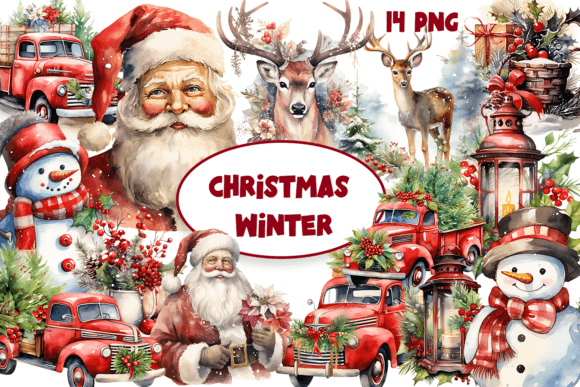
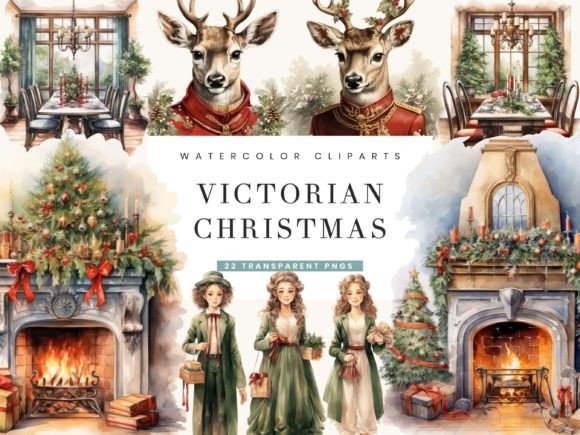
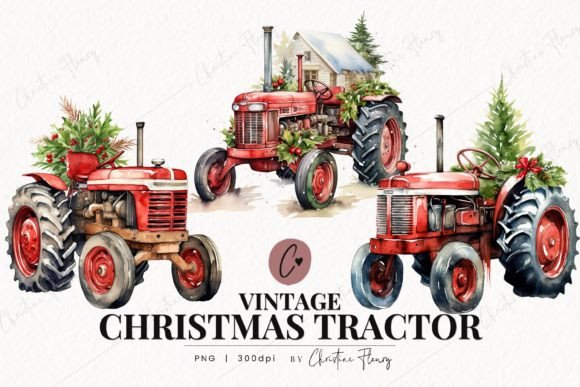
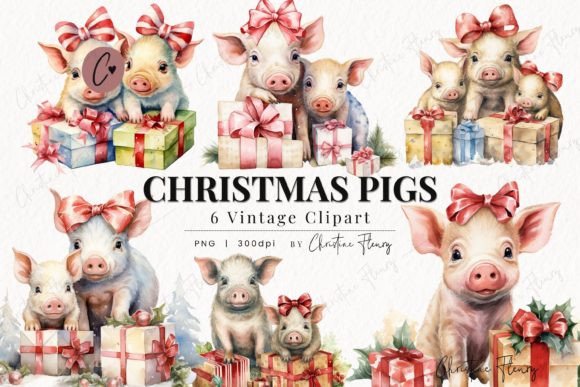
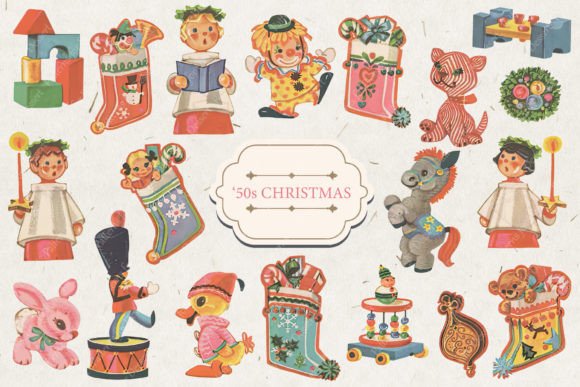
The first impression of this design bundle is immediate nostalgia. The lines are clean yet expressive, capturing that specific mid-century charm where illustration met advertising gold. For a brand owner looking to stand out in a sea of generic, glossy modern graphics, these Illustrations offer a warm, handmade feel. The mood is undeniably cozy, inviting, and trustworthy. It feels less like a corporate push and more like a friendly invitation from a local shop. This emotional tone is perfect for lifestyle content, handmade product launches, and event promotions where authenticity drives sales.
Integrating Retro Charm into Modern Marketing Workflows
To test the real-world application, I imagined a scenario where a boutique candle company is launching a limited-edition winter scent. They need a cohesive look for their social media graphics, email banners, and packaging inserts. The 1950s Christmas Vintage Clip Art fits seamlessly here. Because the style is distinct, it instantly creates a stronger first impression. When a user scrolls past hundreds of posts, the unique texture and line work of these vintage pieces stop the thumb.
In terms of brand identity, these assets support clearer visual hierarchy. By using a bold, retro Santa or a stylized holly wreath as a focal point, you can guide the viewer's eye to the call-to-action without clutter. This is crucial for digital ads and Pinterest pins where attention spans are fleeting. The art works exceptionally well for packaging design and product labels. Imagine a kraft paper sticker featuring one of these classic motifs; it instantly elevates the perceived value of the item inside, suggesting quality and tradition.
Furthermore, these design assets are versatile enough for various formats. Whether you are building a Canva template for clients, designing a website header, or creating a printable holiday card for your email list, the scalability of the files matters. If the collection includes SVG design or high-resolution PNG design files, they remain crisp whether printed on a large poster or displayed on a mobile screen. This flexibility ensures professional branding across all touchpoints.
Driving Engagement Through Visual Storytelling
The core marketing goal here is audience trust. People connect with visuals that feel human. The 1950s Christmas Vintage Clip Art brings a level of warmth that sterile vector art often lacks. This supports better engagement rates because the content feels curated rather than generated. For content marketing strategies, using these illustrations in blog graphics or editorial layouts adds a layer of sophistication. It signals that the brand cares about aesthetics and detail.
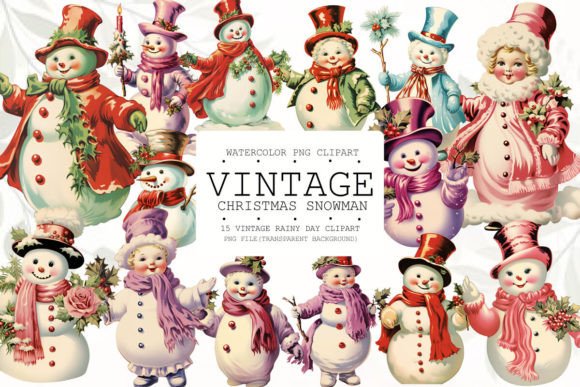
When used in logo design or as a sub-mark for a seasonal campaign, these elements foster stronger recognition. If a customer sees the same retro snowman on your Instagram story, your email newsletter, and your shipping box, the brand becomes memorable. This consistency is the backbone of successful small business branding. It transforms a simple transaction into an experience. For digital sellers and product creators, incorporating these visuals into digital product covers or mockups can significantly boost click-through rates by offering a unique visual hook.
Strategic Placement and Design Limitations
While the 1950s Christmas Vintage Clip Art is powerful, it must be used strategically. It shines brightest in hero graphics, campaign headers, and decorative brand elements where the image can breathe. It is ideal for content bundles and promotional banners that rely on emotional connection. However, caution is required when applying these to formal corporate branding or dense information layouts. The intricate details of mid-century art can get lost in small mobile graphics or low-contrast backgrounds.
Avoid using these illustrations in text-heavy ads or designs where the asset competes with the main message. If your brand identity is strictly minimal and ultra-modern, introducing heavy vintage textures might create visual dissonance. Always ensure the visual hierarchy remains intact; the art should support the copy, not overpower it. For overly serious financial or legal communications, this playful, nostalgic style may undermine the required tone of authority.
Practical Notes for Designers and Marketers
Before finalizing any campaign, I recommend a few practical steps. First, test the 1950s Christmas Vintage Clip Art against your specific brand color palette. These vintage tones often pair beautifully with muted greens, deep reds, and creams, but they need to harmonize with your existing hex codes. Check how the images perform in black and white, especially if you plan to use them for printable design items like flyers or stickers where color printing might be cost-prohibitive.
Place the assets inside real campaign mockups to gauge their impact. Preview them on mobile screens to ensure readability and detail retention at small sizes. Compare the visuals against competitor offerings to ensure you aren't replicating a saturated trend. Typography pairing is also critical; these illustrations often sing when paired with bold serif fonts, elegant script fonts, or clean sans serif styles that echo the era. Avoid display fonts that are too futuristic, as they will clash with the retro vibe.
Finally, and most importantly, review the licensing terms. Ensure you have a valid commercial license before using these assets in paid campaigns, client work, or products for sale. Many items found on a creative marketplace come with specific restrictions regarding print runs or digital distribution. Confirming this upfront protects your business and ensures your modern design projects remain legally sound. When used correctly, this collection is not just a set of images; it is a strategic tool for building a memorable, emotionally resonant brand presence this holiday season.