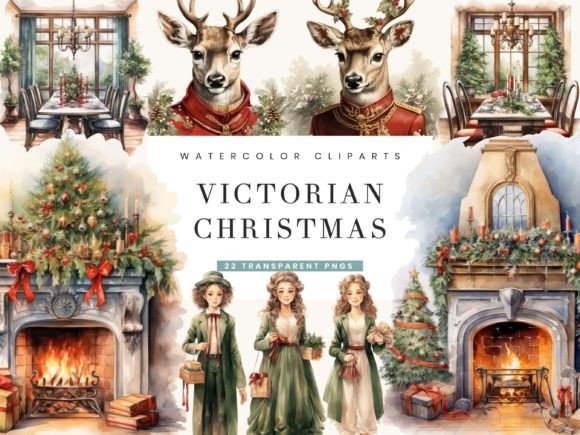
Vintage Victorian Christmas Clipart & Illustrations Review
As a brand designer and content marketer, I approach every graphic design asset with a critical eye toward how it will perform in the wild. It is not enough for an image to be pretty; it must communicate a specific mood, support a narrative, and integrate seamlessly into a broader visual strategy. Recently, I had the opportunity to review the Vintage Victorian Christmas Clipart collection for an upcoming seasonal campaign. The goal was to refresh the social media visuals and packaging inserts for a boutique lifestyle brand that specializes in handmade goods. This review breaks down how these Illustrations function in real-world marketing scenarios, from audience perception to practical application.
The First Impression: Nostalgia as a Brand Strategy
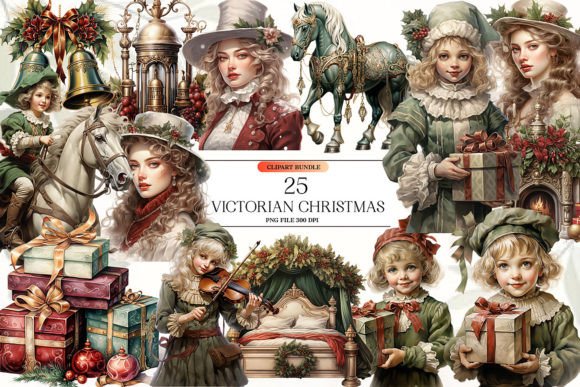
Upon opening the files, the immediate sensation is one of refined nostalgia. Unlike the bright, saturated reds and greens often found in mass-market holiday marketing, this collection leans into the muted, sophisticated palette of the 19th century. The mood is intimate, warm, and slightly whimsical without feeling childish. For a brand owner, this is crucial. The emotional tone suggests heritage, quality, and timelessness. When used in brand identity work, these assets signal to the audience that the business values tradition and craftsmanship. It creates a perception of premium value, making it highly suitable for handmade products, lifestyle content, and editorial graphics where the story behind the product is just as important as the product itself.
Integrating Assets into a Multi-Channel Campaign
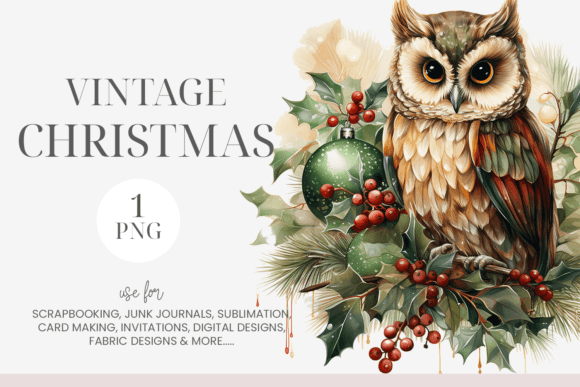
In our hypothetical launch for a limited-edition winter gift set, the versatility of the Vintage Victorian Christmas Clipart became apparent. We needed a cohesive look across various touchpoints. For social media graphics, specifically Instagram posts and Pinterest pins, the intricate details of the botanical elements and vintage figures provided excellent focal points. These images stop the scroll because they offer visual richness that stands out against the flat, minimalist trends dominating many feeds.
Beyond social media, the potential for packaging design is significant. We envisioned using the clipart on product labels and box inserts. Because the style mimics classic engraving and lithography, it elevates the perceived value of the physical item. A simple kraft paper box becomes a luxury vessel when adorned with these detailed Illustrations. Furthermore, for digital ads and email banners, the assets provide a strong decorative border or background texture that frames the call-to-action without overwhelming it. This consistency across marketing visuals reinforces audience trust; customers recognize the brand voice whether they are viewing a Facebook ad or unboxing a purchase.
Enhancing Visual Hierarchy and Engagement
One of the primary challenges in content marketing is maintaining a clear visual hierarchy. Busy designs can confuse the viewer, but this collection strikes a balance between detail and clarity. The Vintage Victorian Christmas Clipart works exceptionally well as hero graphics or campaign headers. By placing a large, central illustration—such as a vintage angel or a detailed wreath—at the top of a blog post or landing page, you immediately establish the theme. This draws the eye and sets the stage for the text below.
For small business branding, stronger recognition comes from consistent visual cues. Using these assets in lead magnets, media kits, and even merchandise like stickers helps create a memorable campaign visual. The unique style ensures that the brand does not look like it is using generic stock photography. Instead, it feels curated and intentional. This professional appearance fosters an emotional connection, turning casual browsers into loyal followers who appreciate the aesthetic effort put into the brand experience.
Strategic Placement and Design Limitations
While these assets are powerful, they are not a one-size-fits-all solution. There are specific contexts where the Vintage Victorian Christmas Clipart should be used carefully. For instance, in formal corporate branding or dense information layouts, the ornate nature of the drawings might compete with the main message. If you are designing text-heavy ads or complex infographics, these illustrations could add unnecessary visual noise.
Additionally, caution is required when scaling these images for small mobile graphics. The fine lines and delicate shading that give the art its character can get lost or appear muddy if resized too small without proper optimization. Similarly, placing these darker, detailed assets on low-contrast backgrounds can reduce readability. They shine brightest in decorative brand elements, promotional banners, and editorial layouts where there is ample white space to let the artwork breathe. Avoid using them in overly minimal brands where the aesthetic relies on stark simplicity, as the vintage texture may clash with modern clean lines.
Practical Notes for Designers and Marketers
To get the most out of this design bundle, I recommend a few practical steps before finalizing your campaign. First, test the clipart with your specific brand color palette. While the original tones are beautiful, adjusting the hue or saturation in your design software can help them align perfectly with your existing logo design and web elements. Second, always check how the assets look in black and white. Many printable design projects, such as invoices or newspaper ads, require monochrome compatibility, and these engravings usually convert beautifully.
It is also vital to preview the graphics on actual mobile screens. What looks crisp on a desktop monitor may lose definition on a smartphone. Compare the Vintage Victorian Christmas Clipart against competitor visuals to ensure your campaign stands out rather than blends in. When pairing these images with typography, experiment with serif fonts for a classic look, script fonts for elegance, or bold display fonts for a modern contrast. However, ensure there is enough spacing and balance so the text remains legible.
Finally, and perhaps most importantly, confirm the commercial licensing terms. Whether you are creating a Canva template for clients, designing a digital product for sale, or preparing paid campaigns, understanding the scope of the commercial license is non-negotiable. Ensure you have the rights to use these design assets in client work and business branding. When used correctly, this collection is more than just holiday decoration; it is a strategic tool for building a rich, engaging, and professionally branded holiday presence.