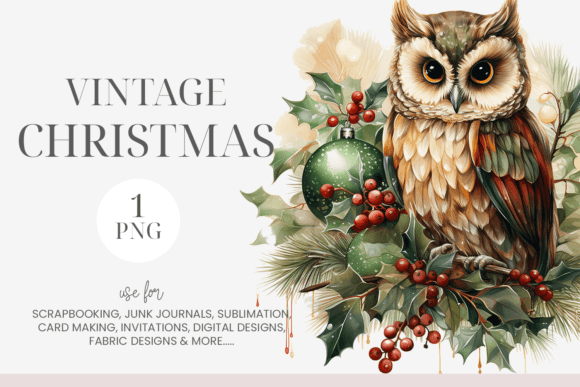
Vintage Christmas Owl Clipart: Editorial Illustrations Review
As a digital publisher who has spent over a decade refining the visual identity of high-traffic blogs and affiliate sites, I approach every new graphic design asset with a critical eye. It is not enough for an image to be cute or seasonal; it must perform. It needs to hold its own against bold headlines, survive compression for mobile loading speeds, and, most importantly, earn the click. Recently, I integrated the Vintage Christmas Owl Clipart collection into a holiday content workflow, and the results offered valuable insights into how nostalgic imagery can drive engagement in modern web design.
First Impressions and Editorial Mood
The immediate impact of this asset pack is its ability to evoke warmth without sacrificing clarity. In an era where flat, minimal vector art dominates the creative marketplace, these Illustrations stand out by leveraging texture and classic holiday motifs. The mood is distinctly lifestyle-focused yet retains an artistic integrity that feels curated rather than generic. For a publisher, this distinction is vital. Readers subconsciously associate high-quality, cohesive visuals with trustworthy content. When I placed these owl graphics alongside serif typography in a blog header, the combination felt established and professional, bridging the gap between playful seasonal cheer and serious editorial standards.
This aesthetic naturally supports niches such as home decor, DIY crafts, family lifestyle, and educational content. It does not feel overly corporate, which makes it less suitable for strict B2B financial reports, but it is perfect for any brand aiming to humanize its holiday messaging. The vintage style suggests longevity and tradition, which can subtly reinforce the authority of long-form guides or heritage brand stories.
Integrating Assets into Real Publishing Workflows
The true test of any digital download is its versatility across different formats. I tested the Vintage Christmas Owl Clipart across several key touchpoints in a standard content marketing funnel. Here is how it performed in real-world scenarios:
- Pinterest Pins: This is arguably the strongest use case. The intricate details of the owl illustrations pop against solid backgrounds, creating high-contrast visuals that stop the scroll. When paired with large, sans-serif headline text, the click-through rate potential increases significantly due to the clear visual hierarchy.
- Blog Featured Images: Using these graphics as overlays on photography or as standalone elements in custom headers adds a layer of polish. They help establish consistent brand identity during the holiday season, making archive pages look cohesive rather than cluttered.
- Newsletter Graphics: Email clients often strip complex styling, so using static, high-quality clipart ensures your message lands correctly. These owls work beautifully as section dividers or header accents in weekly digests, adding a festive touch without increasing load times excessively.
- Digital Products and Lead Magnets: I incorporated the assets into a downloadable holiday planning checklist. The result was a more perceived value for the lead magnet. Users are more likely to share and save a PDF that looks like a professionally designed digital guide rather than a plain text document.
- Social Media Graphics: For Instagram carousels or Facebook ads, the clips serve as excellent focal points. They break up text-heavy slides and keep the viewer engaged through visual variety.
Enhancing Content Performance and Trust
Why does this matter for your bottom line? In affiliate marketing and content publishing, trust is currency. A sloppy or inconsistent visual presentation can signal low-effort content, causing readers to bounce before they even read your introduction. By utilizing high-quality design assets like this owl collection, you signal attention to detail. This improves reader trust and encourages deeper site exploration.
Furthermore, strong visuals aid in category recognition. If you use a specific style of illustration for all your holiday posts, returning visitors will instantly recognize the content type. This strengthens your small business branding and makes your site feel like a curated magazine rather than a disparate collection of articles. The Vintage Christmas Owl Clipart supports this by offering a distinct look that is easily recognizable yet flexible enough to adapt to various color palettes.
Strategic Placement and Visual Hierarchy
To maximize impact, placement is key. These illustrations work best as hero images or primary focal points in article thumbnails. They draw the eye immediately, allowing you to guide the reader’s gaze toward your call-to-action or headline. However, they should be used carefully in certain contexts. For instance, avoid placing them in small mobile thumbnails where intricate details might become muddy or indistinguishable. Similarly, do not use them on busy, patterned backgrounds where contrast is lost. The goal is clarity, not decoration for decoration’s sake.
In terms of typography pairing, I found these owls pair exceptionally well with both modern sans-serif fonts for a contemporary twist and classic script fonts for a traditional feel. Testing them beside display fonts also yielded interesting results, particularly for eBook covers or printable design projects. The key is to ensure the text does not compete with the illustration for attention. Use negative space effectively to let the artwork breathe.
Practical Publisher Notes for Implementation
Before deploying any new commercial design element on a live site, rigorous testing is non-negotiable. Here is my checklist for integrating this asset pack:
- Device Testing: Preview the graphics on both desktop and mobile screens. Ensure the lines remain crisp and the colors do not band on lower-resolution displays.
- Thumbnail Legibility: Shrink the image to typical blog roll sizes (e.g., 300x200 pixels). If the owl’s features disappear, simplify the background or increase the contrast.
- File Optimization: While the source files may be high-resolution PNGs or SVGs, always compress images for web performance. Use tools like TinyPNG or Squoosh to reduce file size without visible quality loss, ensuring fast page loads.
- Licensing Verification: Always confirm the commercial license terms. If you are using these for monetized websites, affiliate pages, or paid products like a Canva template kit, ensure your usage rights cover commercial redistribution or end-product sales.
- Contrast Checks: Test the asset on white, black, and colored backgrounds. Ensure it remains visible and aesthetically pleasing in all variations, especially if you plan to use it in dark mode interfaces.
In conclusion, the Vintage Christmas Owl Clipart is more than just seasonal decoration; it is a strategic tool for enhancing editorial design. When used thoughtfully, it elevates the perceived quality of your content, supports better user engagement, and reinforces a polished brand identity. For bloggers, designers, and digital marketers looking to add a touch of nostalgic charm to their holiday campaigns, this asset offers a reliable, versatile, and visually compelling solution.